Synopsis
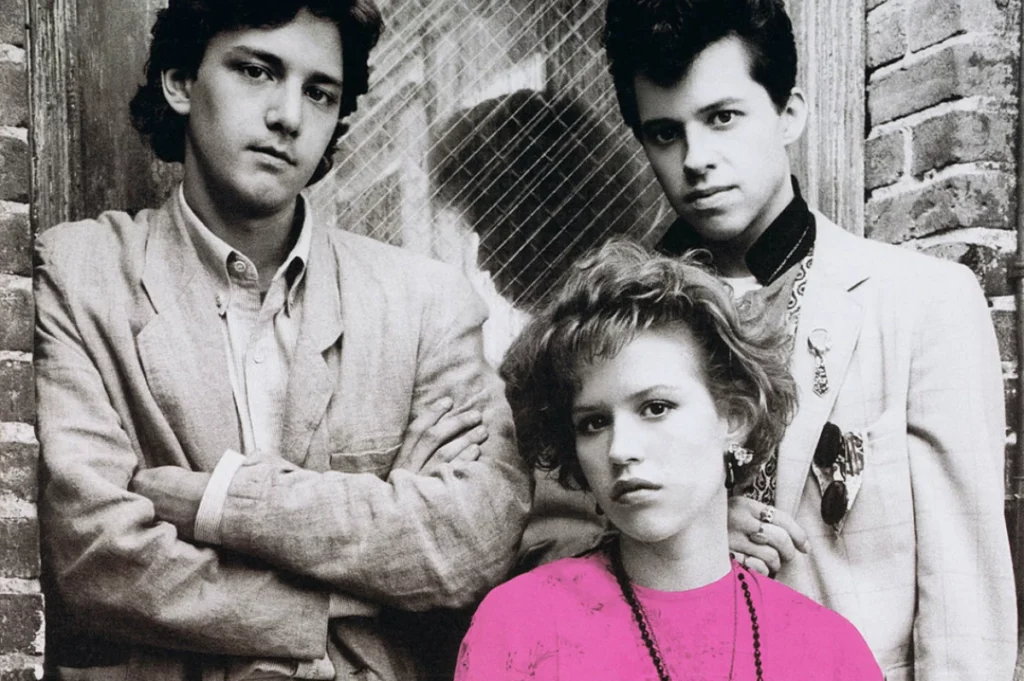
- Pretty in Pink follows Andie Walsh, a creative high school senior from the wrong side of the tracks who navigates life, love, and class divisions in 1980s Chicago. Andie catches the eye of Blaine McDonough, a wealthy and popular student, but their budding romance is tested by pressure from Blaine’s friends and the unspoken rules separating rich kids from everyone else. Meanwhile, Andie’s best friend Duckie, quirky, loyal, and hopelessly in love with her — struggles with his feelings as he watches her fall for someone else. As prom approaches, Andie must decide whether to follow her heart, stay true to herself, and face the judgment that comes with crossing social boundaries. Blending teen romance, humor, and social commentary, Pretty in Pink is a classic John Hughes film about identity, self-worth, and choosing who you want to be — all set to an iconic ’80s soundtrack.
Actors & Crew
- Molly Ringwald Born Feb 18, 1968 in Roseville, CA.
- Child actress career in Different Strokes & The Facts of Life
- Teen idol in John Hughes films Breakfast Club, Sixteen Candles, Pretty in Pink
- Starred in some shows and films in the 90s and went on to star in the CW’s Riverdale.
- Turned down the Julia Roberts role in Pretty Woman (1990) and the Demi Moore role in Ghost (1990)
- Refused the Lea Thompson role in Some Kind of Wonderful (1987), ending her successful business relationship with John Hughes, who was furious.
- Jon Cryer Born Apr 16, 1965 in New York City.
- Pretty in Pink was his breakout role.
- Cryer then had lead roles in the films Morgan Stewart’s Coming Home (1987) and Hiding Out (1987), starring roles in Superman IV: The Quest for Peace (1987) and Hot Shots! (1991), and the lead role of Teddy Zakalokis on the CBS sitcom The Famous Teddy Z
- Cryer experienced a career resurgence when he was cast in a co-leading role as Alan Harper on the CBS sitcom Two and a Half Men (2003–2015)
- He was asked to audition for the role of Chandler Bing on Friends (1994), while he was doing a play in London. His reading was videotaped by a British casting agent but the tape failed to arrive in the United States before the network had made its final decision.
- Andrew McCarthy Born Nov 29, 1962 in Westfield, NJ
- He is most known as a member of the Brat Pack, with roles in 1980s films such as St. Elmo’s Fire (1985), Pretty in Pink(1986), Mannequin (1987), and Weekend at Bernie’s (1989). He is ranked No. 40 on VH1‘s 100 Greatest Teen Stars of all time list. As a director, he is known for his work on Orange Is the New Black.
- McCarthy began travel writing and served as an Editor at Large at National Geographic Traveler magazine.
Budget:
Released Feb 28, 1986
$9mil
Earned $6.1mil opening weekend
Gross: $40.5mil
Fun Facts:
–Wouldn’t be a John Hughes film if it weren’t set in CHICAGO.
-Pretty in Pink was filmed in the Los Angeles area, not Chicago as the story suggests, with key locations including John Marshall High School (Meadowbrook High), John Burroughs Middle School (interiors), the Third Street Promenade in Santa Monica(Trax record store), South Pasadena (Andie’s house), and the Millennium Biltmore Hotel (the prom scene).
Originally, the film portrayed Andie and Duckie ending up together. However, test audiences booed this ending. John Hughes wrote a new five-page ending where Andie and Blane get together instead.
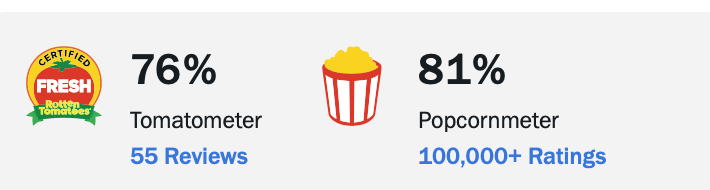
Roger Ebert gave the film three stars out of four, criticizing the “old, old, old” plot but praising the performances of Molly Ringwald and Annie Potts, and calling it “a heartwarming and mostly truthful movie, with some nice touches of humor.”
Janet Maslin of The New York Times wrote, “Fortunately, the actors are mostly likable, and the story is told gently enough to downplay both its trendiness and its conventionality.
Pauline Kael of The New Yorker wrote that Ringwald “carries the movie, though she has nothing particularly interesting to do or say,” and called the film “slight and vapid, with the consistency of watery Jello.
Gene Siskel of the Chicago Tribune gave the film one-and-a-half stars out of four, faulting a “tired script” and Cryer’s “one-note performance,” though he found Ringwald “absolutely beguiling.
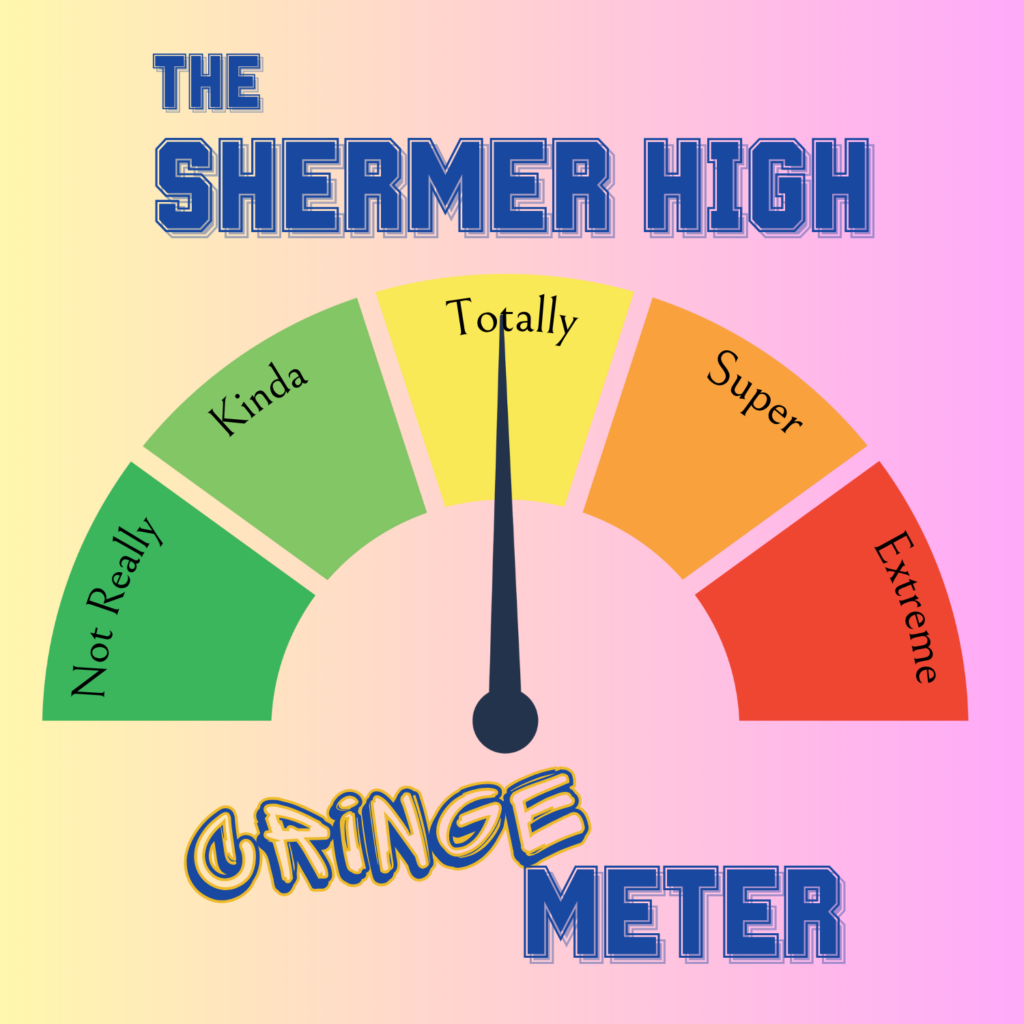
Cringe Meter
| Kristin | Jeannine | Carole |
 | | |
 | | |